Big Bear’s Recycling Guide: What Goes Where
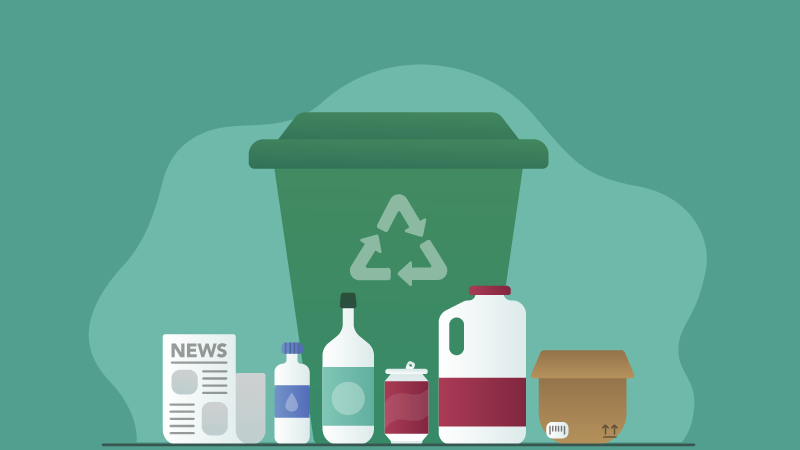
Recycling in Big Bear Lake doesn’t have to be complicated, but it does require knowing a few basics. Whether you’re a full-time resident, a weekend visitor, or managing a rental property, sorting your waste correctly makes a real difference for our mountain community.
At Big Bear Disposal, Inc., we want recycling to be easy for everyone. Here’s a quick guide to what you can and can’t put in your recycling bin.
What You Can Recycle
You can recycle glass bottles and jars by removing the lids and rinsing them. Labels don’t need to be removed. Other glass items, such as drinking glasses, vases, bakeware, or window glass, should not go in the recycling.
Plastic containers with resin codes 1-7 can be recycled. Remove the lids, rinse the containers, and flatten them if possible. You don’t need to remove the labels.
Steel, tin, and aluminum cans are all good to go. Rinse food cans and make sure the aluminum is free of food residue. Empty aerosol cans are accepted too, just remove the cap and don’t puncture or flatten the can.
Cardboard should be flattened before placing it in your recycling bin. If the bundle is too large, tie it with a heavy string and set it next to the bin. Cardboard is also accepted at the Clean Bear Site.
Mixed paper, including junk mail, cereal boxes, wrapping paper without foil or plastic coating, greeting cards, envelopes, paper bags, phone books, and paper milk and juice cartons, can all go in. Just remove any liners, foil, plastic inserts, or tape from boxes first.
What Can’t Be Recycled
Some items look recyclable but aren’t. These go in the trash: plastic bags, bubble wrap, Styrofoam, food-stained containers, waxed cardboard, pill bottles, clothing, sponges, and dry cleaning bags. When in doubt, it’s better to put it in the trash than to contaminate a load of recyclables.
Hazardous materials like paint, motor oil, medical sharps, and adhesive compounds should never go in recycling or trash. These need to be disposed of through a hazardous materials program. Visit our Hazardous Materials Management page for details.
Get the Guide
For the full visual guide and a complete list of accepted items, check out our Big Bear Recycling Guide
Recycling right starts with knowing what goes where. When everyone does their part, we keep Big Bear cleaner and more sustainable for years to come.